Projects with a positive impact
Each project driven by Simbiosy accelerates the transition towards a circular and low-carbon economy in the companies and territories where we operate.
Through collaborative methodologies, digital tools, and technical support, we transform waste into resources and generate shared value between industry, administration, and society.
Type of action
Geographic scope
Sector
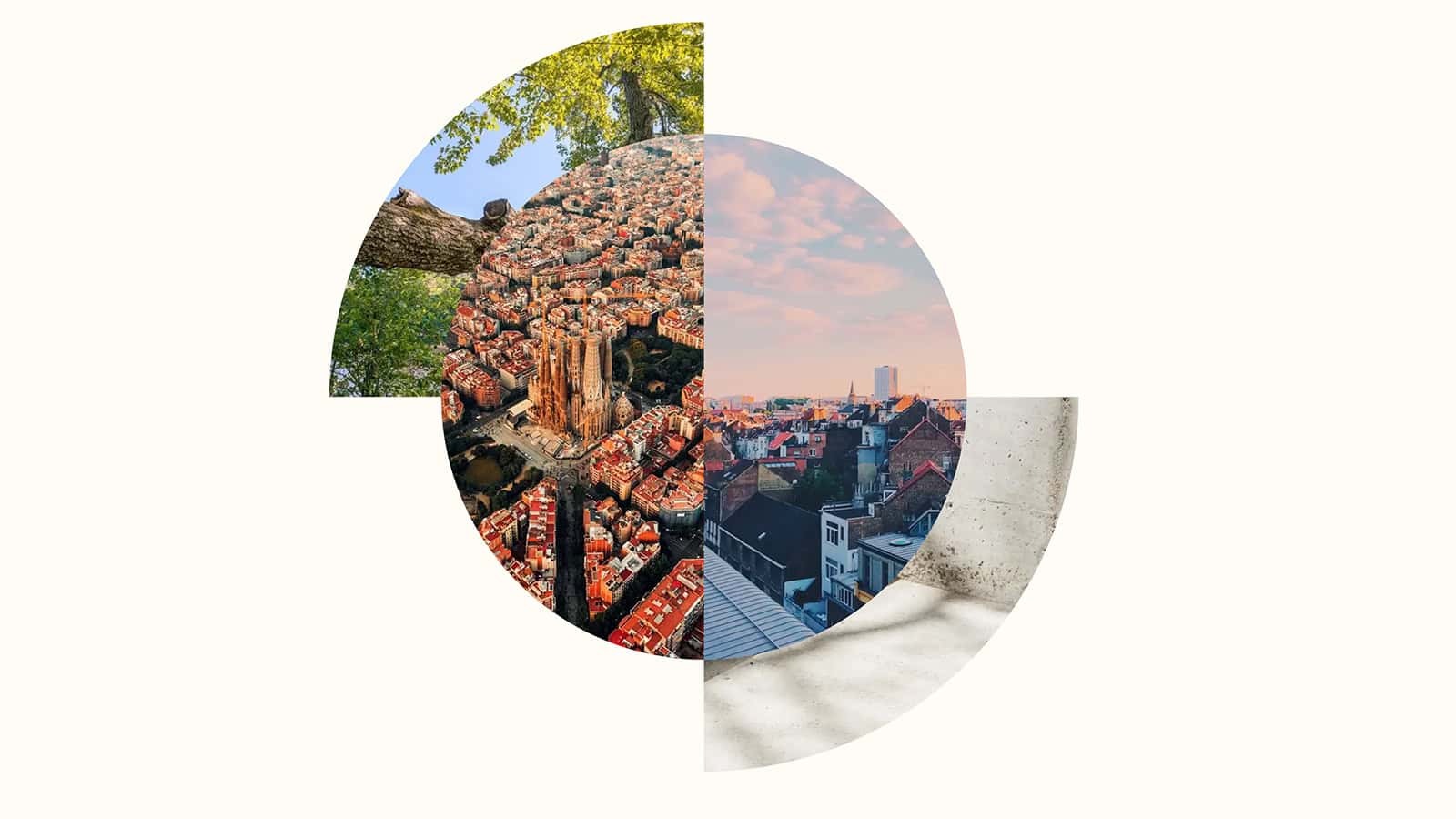
RECONSTRUCT – Circular and Low-Carbon Solutions in European Construction
RECONSTRUCT is a European project aimed at promoting circularity in the construction sector, one of the areas with the highest consumption of resources and generation of waste globally. The project comprehensively addresses the environmental impact associated with materials, construction processes, and building design.
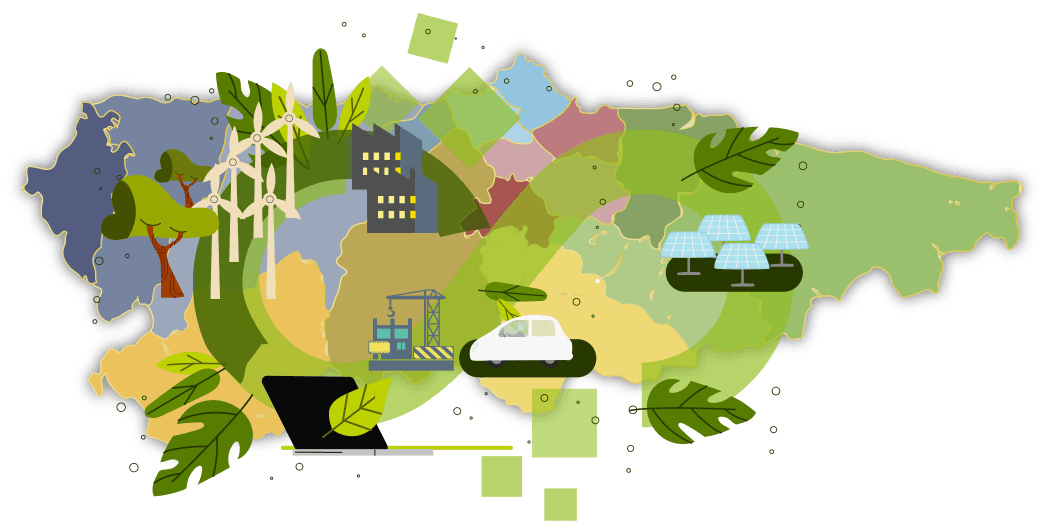
Strategic Plan for Circular Economy of the Principality of Asturias 2023-2030
Development of the Strategy and Action Plan for Circular Economy 2023–2030 of the Principality of Asturias, based on the diagnosis and mapping of resource flows to identify challenges, priority sectors, and strategic lines of action.
Quatre Ribes Circular – Industrial Symbiosis in the Municipalities of the Argentona Stream
Industrial symbiosis project to analyze and activate the circular economy potential in the industrial fabric of the municipalities of Argentona, Cabrera de Mar, Dosrius, and Òrrius, facilitating new business opportunities based on the use of surplus resources between companies in the territory.
PROCIR – Boosting the Circular Economy of Plastics in Baix Llobregat
Industrial symbiosis project promoted by AEBALL to encourage the use of recycled plastic raw materials, promoting secondary material markets and synergies between companies in Baix Llobregat.
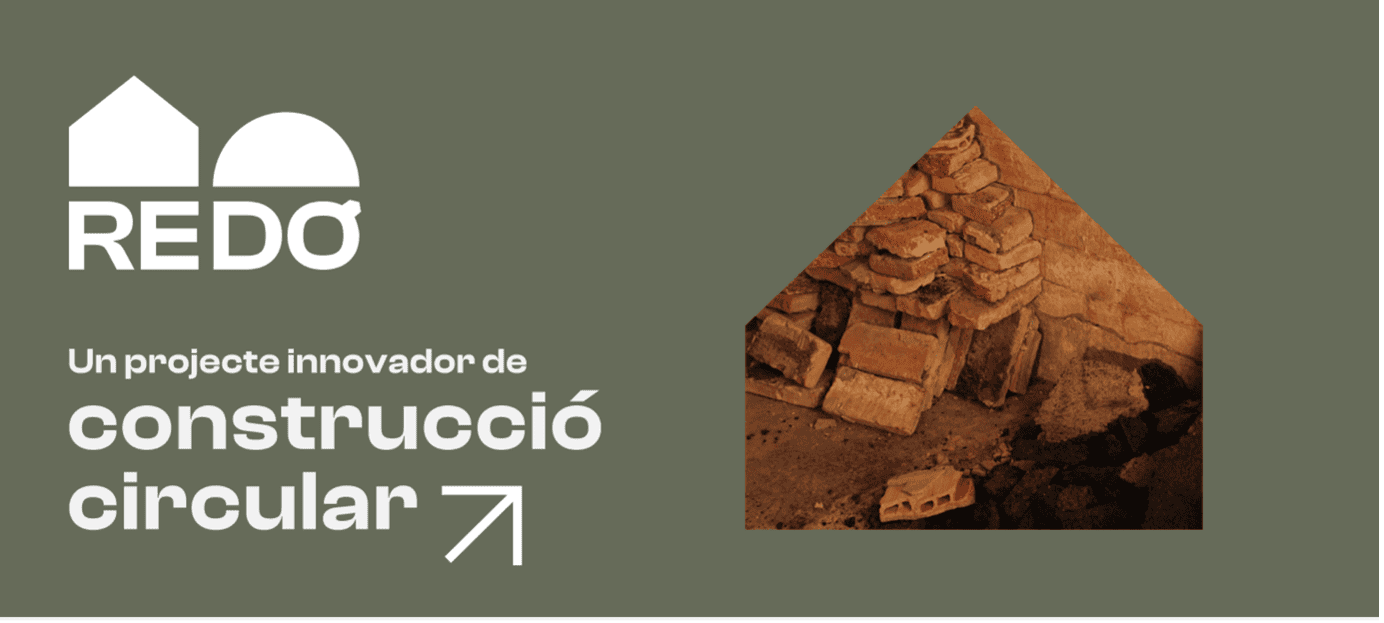
REDO – Circular Economy in Sustainable Rehabilitation and Construction Works
The REDÓ project promotes the circular economy in rehabilitation works through the recovery and reuse of construction materials, integrating deconstruction solutions, waste valorization, and social impact generation through training and inclusive employment.
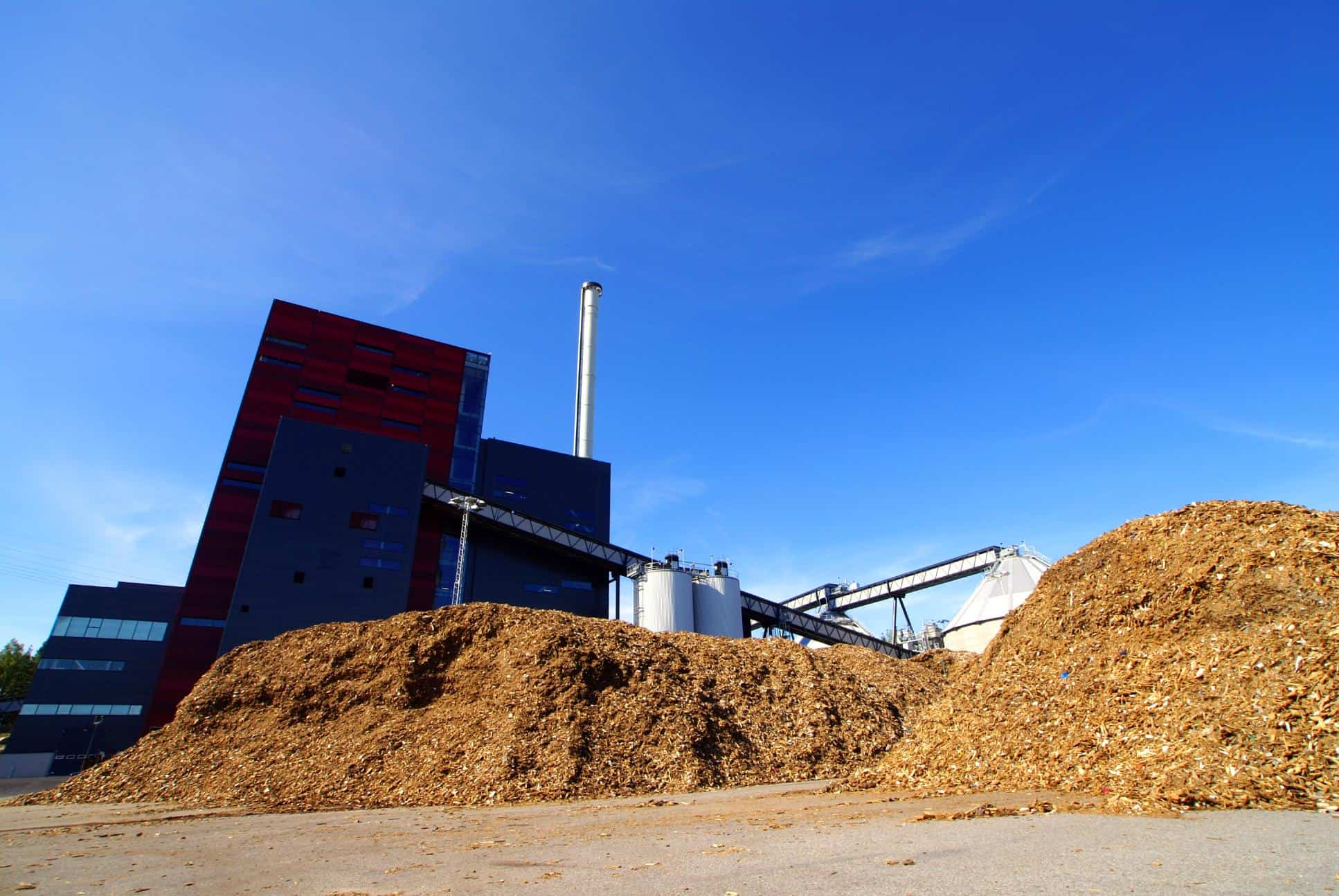
Mixed Plant of Forest and Agricultural Biomass in the Terra Alta
Promote sustainable development in the Terra Alta through the profitable use of woody biomass, fostering local employment, improving logistics and forest management, and integrating agricultural biomass. The project achieved a 40% reduction in costs and generated new circular models.

Sustainability Plan for the Olympic Port of Barcelona
Development of a comprehensive sustainability plan for the Olympic Port of Barcelona, focusing on the efficient management of resources, energy transition, and decarbonization. The aim is to promote the circular economy and generate sustainable business opportunities for the Olympic Port and its entities.
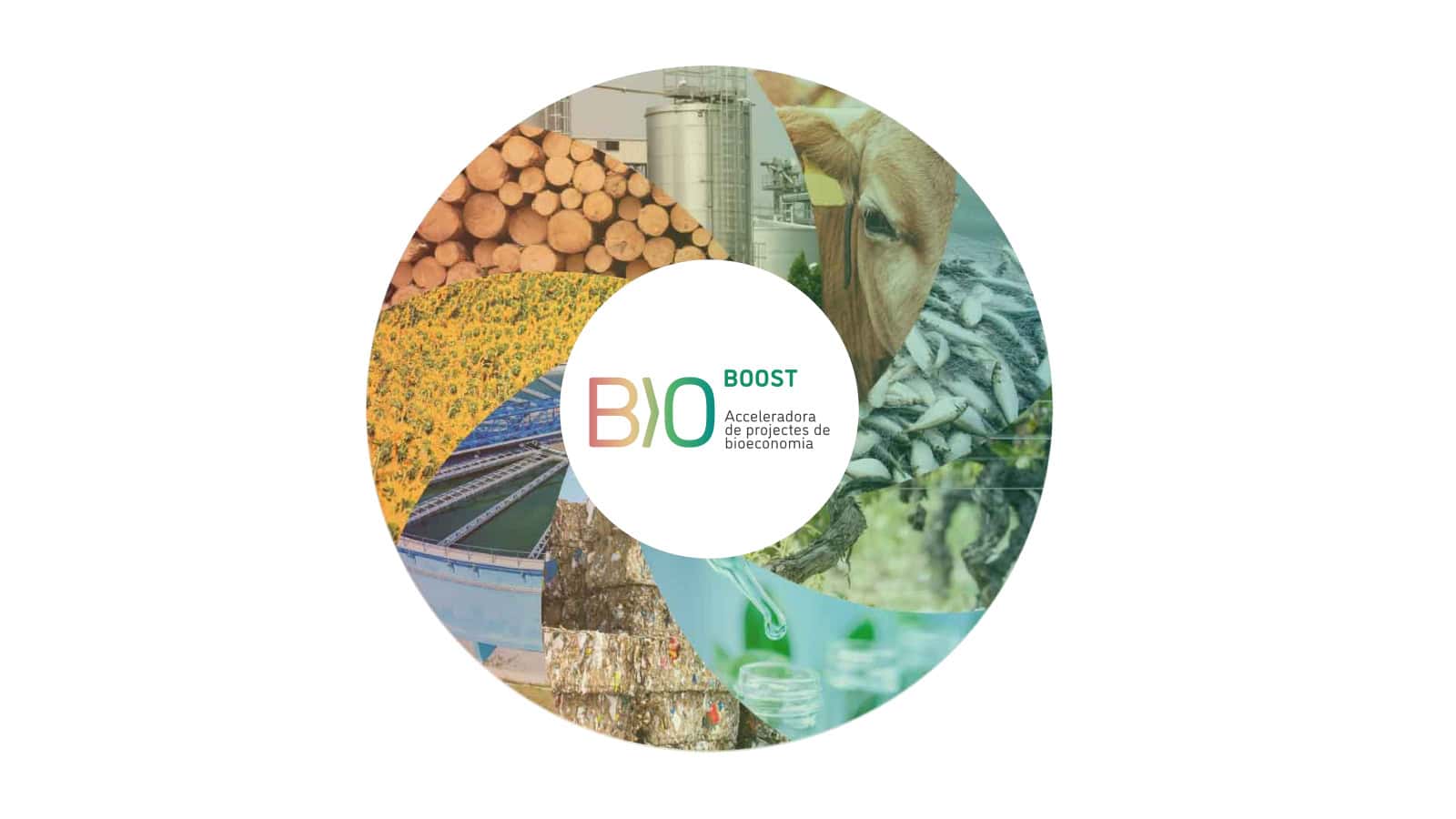
BioBoost – Bioeconomy Project Accelerator
European program aimed at accelerating the development and implementation of bioeconomy projects in Catalonia, facilitating their technical, economic, and legal maturation, and reducing barriers to market entry through comprehensive support.
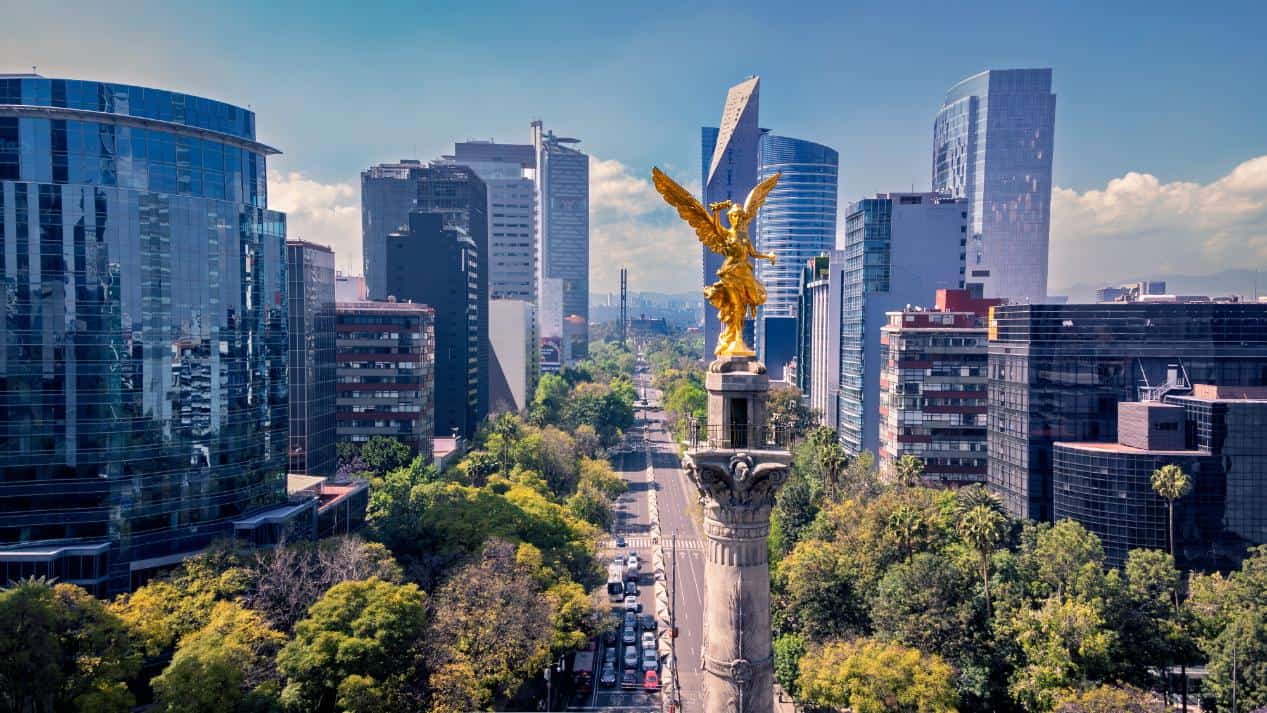
Vallejo-i – Industrial Symbiosis Pilot Project in Mexico City
Industrial symbiosis pilot project in the Vallejo industrial area, aimed at identifying circular business opportunities and transforming the polygon into an eco-industrial park through business collaboration.
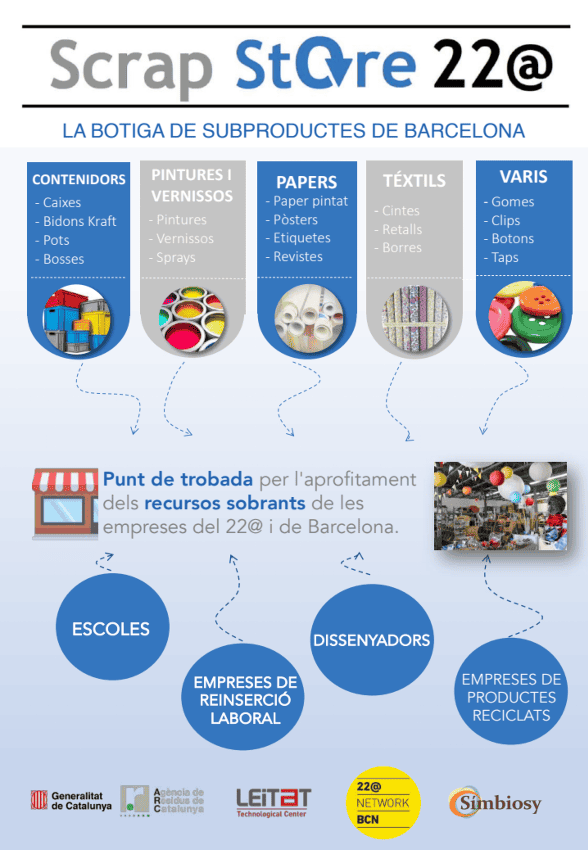
ScrapStore 22@ – The “Waste” Store of Barcelona Companies
Design and promotion of SCRAP STORE 22@ as a “by-product and waste store” in Barcelona, connecting companies and businesses with surplus materials with schools, social entities, designers, and organizations capable of reusing them, promoting a circular economy with citizen impact.
Our impact in figures
More than a decade of experience and commitment to sustainability.
+120
implemented projects
+15
territories in which we have operated
+600
companies involved
+25
strategic industrial symbiosis plans
+200.000
tons of CO₂ avoided
Each project is an opportunity to demonstrate that the circular economy is not a theory, but a collaborative practice with real results.