Projects with a positive impact
Each project driven by Simbiosy accelerates the transition towards a circular and low-carbon economy in the companies and territories where we operate.
Through collaborative methodologies, digital tools, and technical support, we transform waste into resources and generate shared value between industry, administration, and society.
Type of action
Geographic scope
Sector
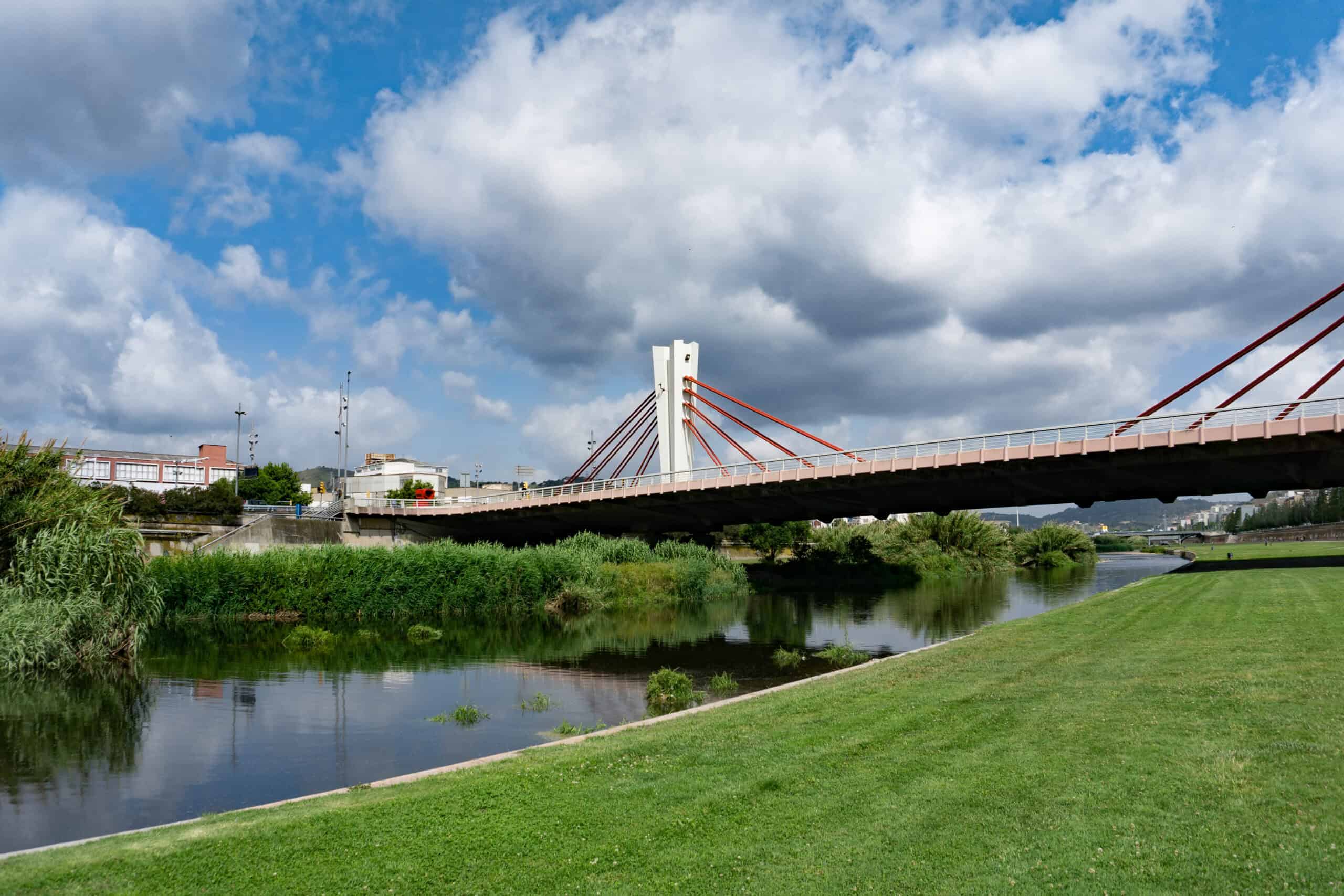
Supplier Map for Biogas Production of the Besós Tordera Consortium
The Besós Tordera Consortium contracted SIMBIOSY’s Waste Mapping service to identify organic waste producers for its biogas plants. The mapping with SYNER detected 50 large producers, validated through interviews according to quantity and distance.
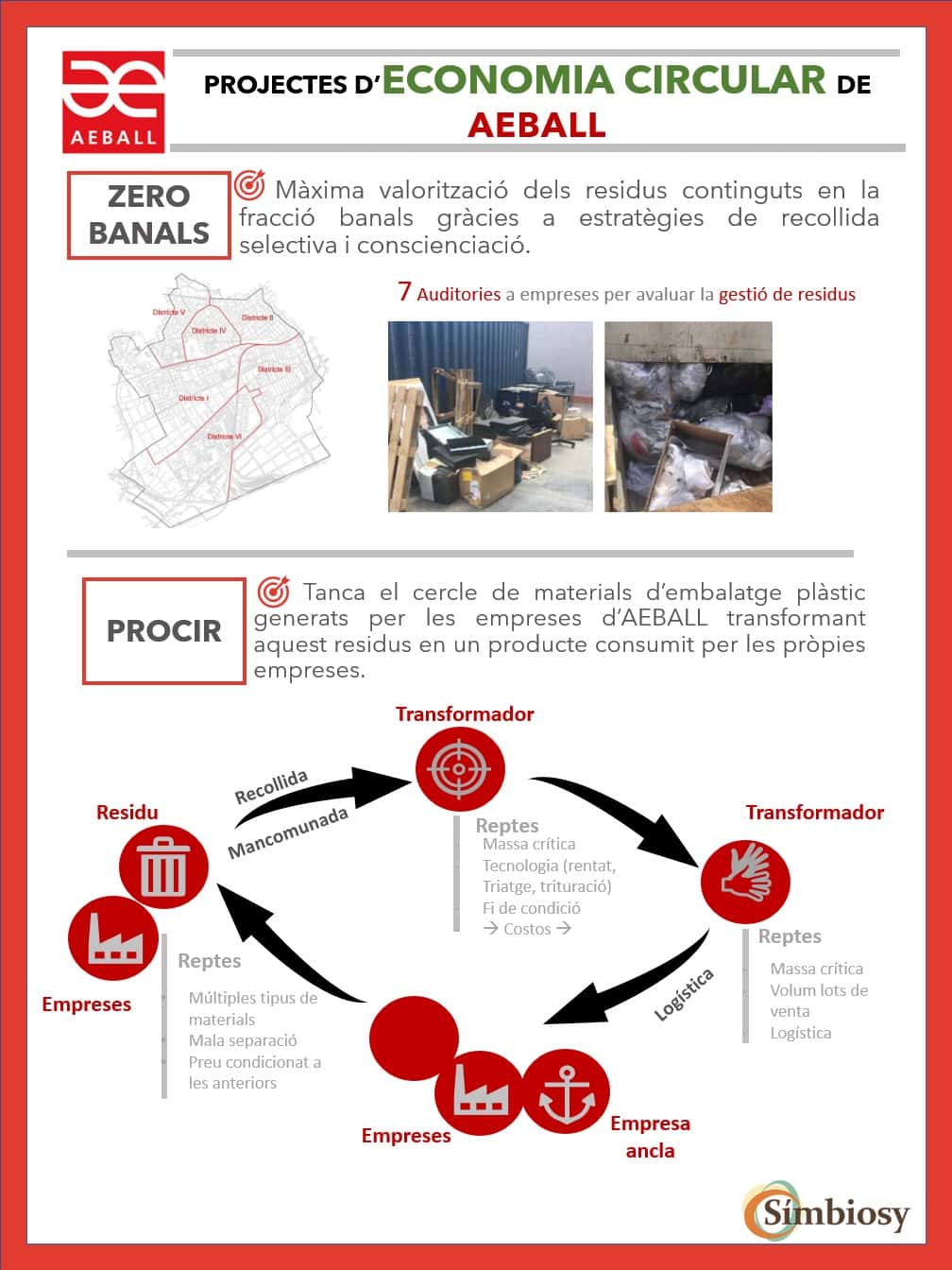
Zero Banals – Zero Waste Strategy for Industry
Zero Banals is a Zero Waste strategy promoted by the AEBALL Business Association in the Economic District of L’Hospitalet de Llobregat, with the aim of maximizing the recovery of trivial waste that usually ends up in landfill.
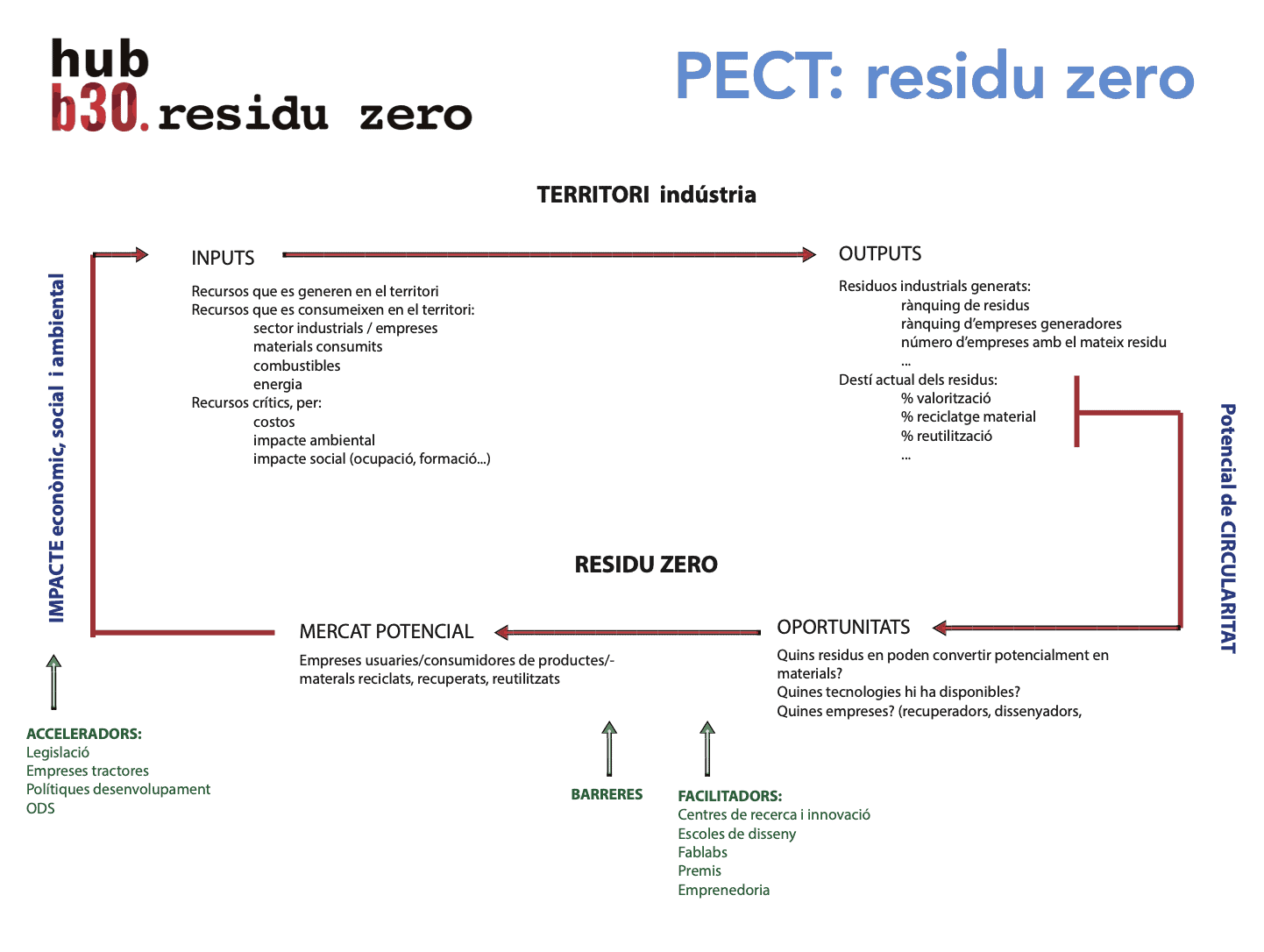
Zero waste strategy in the industrial territory of Barcelona (B-30): collaborative agenda
Simbiosy designed a collaborative agenda to implement a zero waste strategy in the B-30 industrial territory of Barcelona. The project sought the valorization of industrial waste through collaboration between companies, transforming it into valuable resources and promoting the circular economy in Baix Llobregat.

Promotion of the “Pesa y Piensa” Business Model of Campos Estela
Simbiosy promoted the transformation of Campos Estela’s ‘pesa y piensa’ educational project into a sustainable business model. The viability was analyzed and a business plan focused on the waste sector in Barcelona was developed, maximizing its positive impact.
Study on consumer attitudes towards the circular economy
Simbiosy collaborated with Creafutur to analyze the attitudes of Spanish and Scottish consumers towards the circular economy in food, cosmetics, fashion, and energy. The study provided valuable information for strategic decision-making, promoting the adoption of circular practices and fostering a more sustainable future.
Feasibility study: collection of four fractions of municipal waste.
Feasibility study for the collection of four fractions of waste in the Barcelona Metropolitan Area. Management models are analyzed to optimize recycling and minimize environmental impact, considering technical, economic, and social aspects for more efficient waste management.
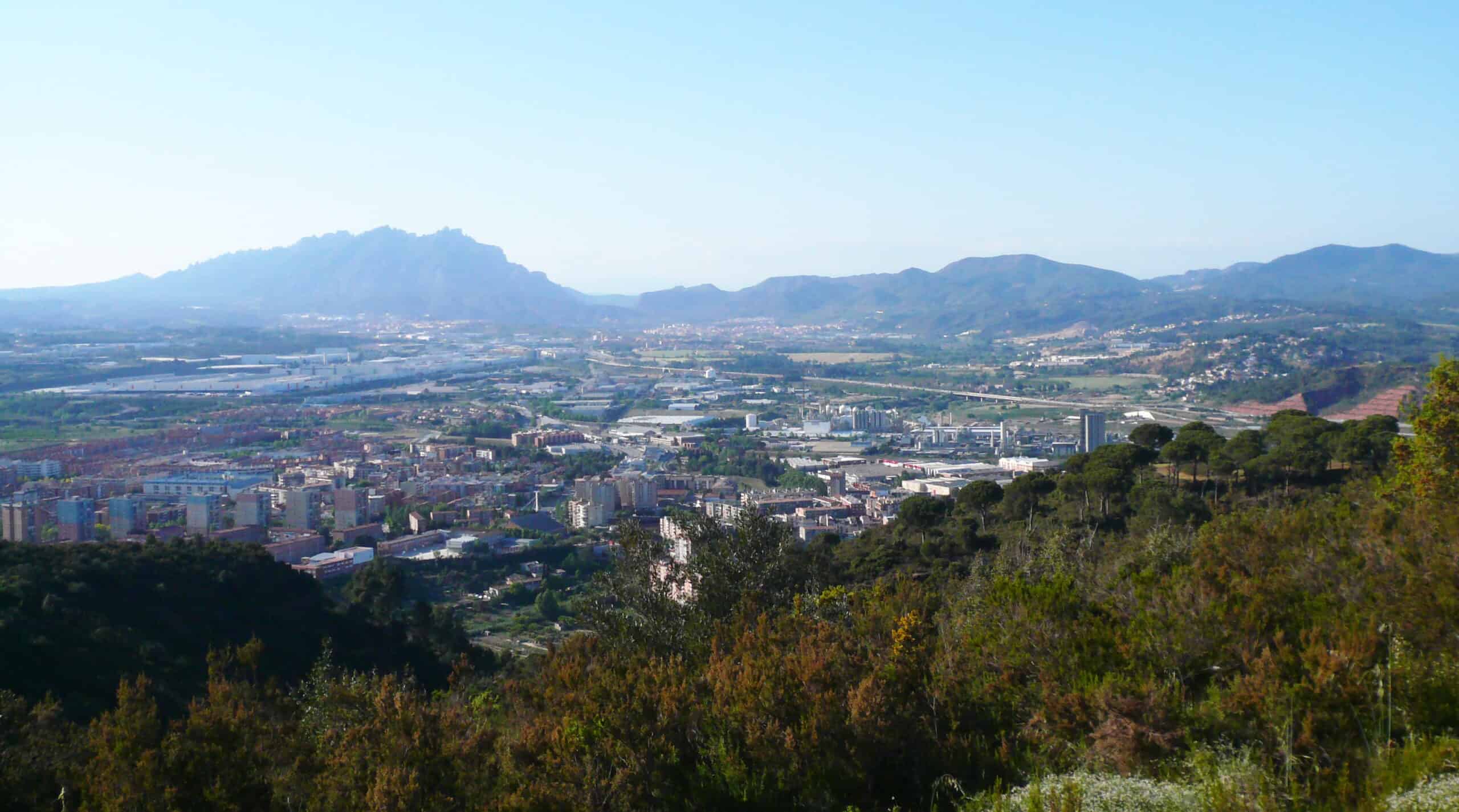
Eco-industry – Circular Economy in the Delta del Llobregat
Public project promoted by the municipalities of the Delta del Llobregat to support companies in their transition towards a circular economy and industrial symbiosis through awareness, training, and technical advisory services.
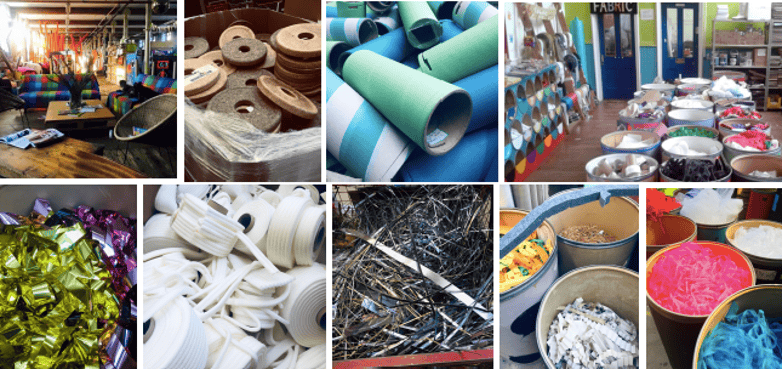
Granollers Enters into Symbiosis with the Grid Granollers Platform
Municipal project to support companies towards a circular economy around the Grid Granollers platform. With dedicated personnel, a wide range of services is offered to companies, constituting a starting point for the active promotion of the circular economy through collaboration between companies at the local level.

Vallès Circular – Driving the Circular Economy in Companies in Vallès
Design and definition of the “Circular Biomass in Navarra” program to structure an operational roadmap that activates business projects for biomass valorization, aligning agents, methodology, and action calendar with the strategic support of SODENA and the Biomass Office.
RECI-TERRA – Soils for Gardening from Recycled Materials
RECI-TERRA transforms plant and construction waste into substrate for gardening, offering an ecological alternative in the Penedès region. This project reduces dependence on virgin raw materials and promotes sustainability in gardening and construction.
Our impact in figures
More than a decade of experience and commitment to sustainability.
+120
implemented projects
+15
territories in which we have operated
+600
companies involved
+25
strategic industrial symbiosis plans
+200.000
tons of CO₂ avoided
Each project is an opportunity to demonstrate that the circular economy is not a theory, but a collaborative practice with real results.