
Support for a municipality to identify economic activities based on surplus local resources
Mapping of surplus resources and feasibility study to create a “park” that promotes the circular economy in the Mas de’n Pi industrial estate through the valorisation of wasted resources from Ecopark 4 and the mapping of woody resources in the ecosystem to explore their energy potential.
Location
Hostalets de Pierola (Catalonia, Spain)
Start Year
2025
Beneficiaries
Municipality of Hostalets de Pierola and established companies
Project description
Hostalets de Pierola is a municipality in the province of Barcelona that has, on the one hand, forested areas and, on the other, a large municipal waste treatment centre (Ecopark). Therefore, the following have been mapped and analysed:
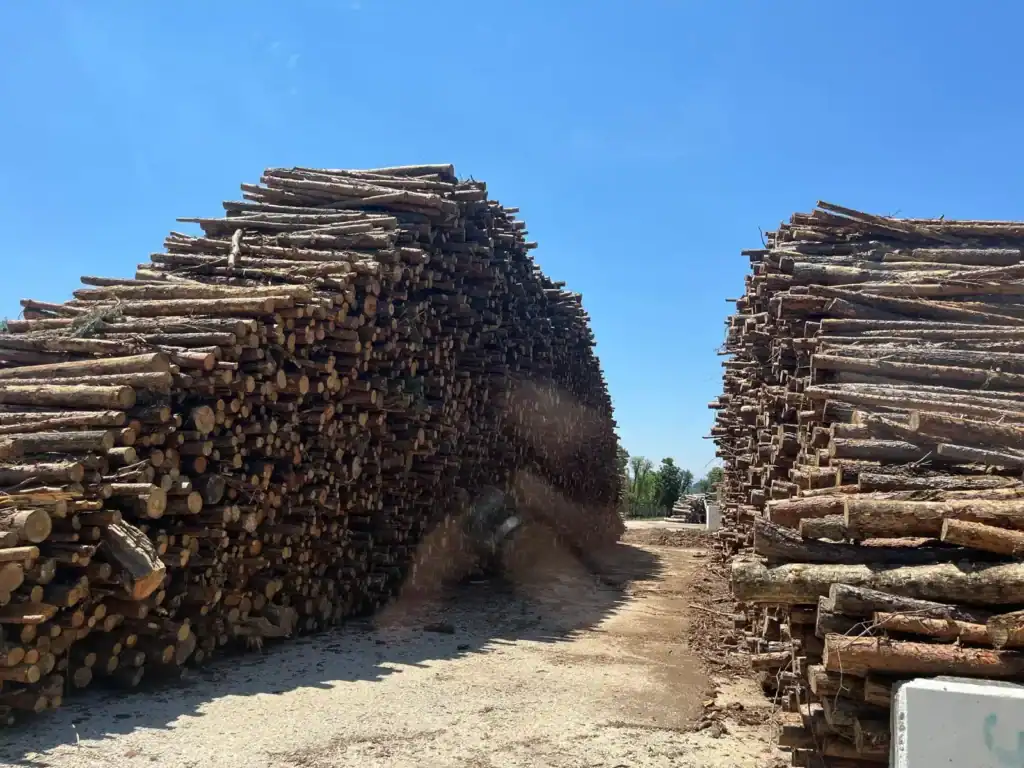
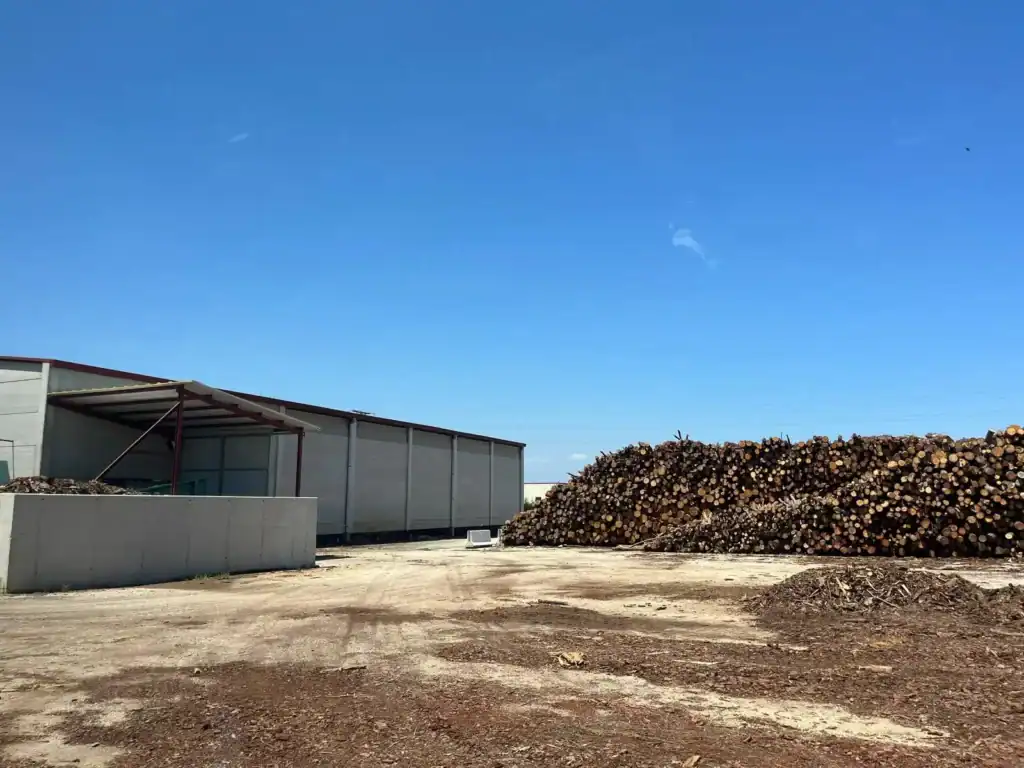
- The surplus woody biomass generated in the territory, and its possible uses have been identified, including energy uses, together with an initial approach to potential business models.
- The residual materials produced in the waste ecopark, identifying strategies to attract investment related to waste valorisation and management in an industrial estate in Hostalets de Pierola.
Methodology
Mapping: Surplus resources from the waste treatment plant and the territory’s woody resources (forestry, agricultural and garden-based) were mapped.
Facilitation: Based on these resources, valorisation opportunities were identified and companies that could potentially be interested in doing business with these resources were contacted, determining the basic requirements for their establishment.
Business model: Work was carried out on the economic viability analysis of different investment alternatives for the production of various value-added products from woody biomass.
Results achieved
Companies interested in the use of the following have been identified:
- Textile waste
- Plastic film
- End-of-life mattresses
- Woody residues
They are interested in developing business activities in the municipality’s industrial areas.
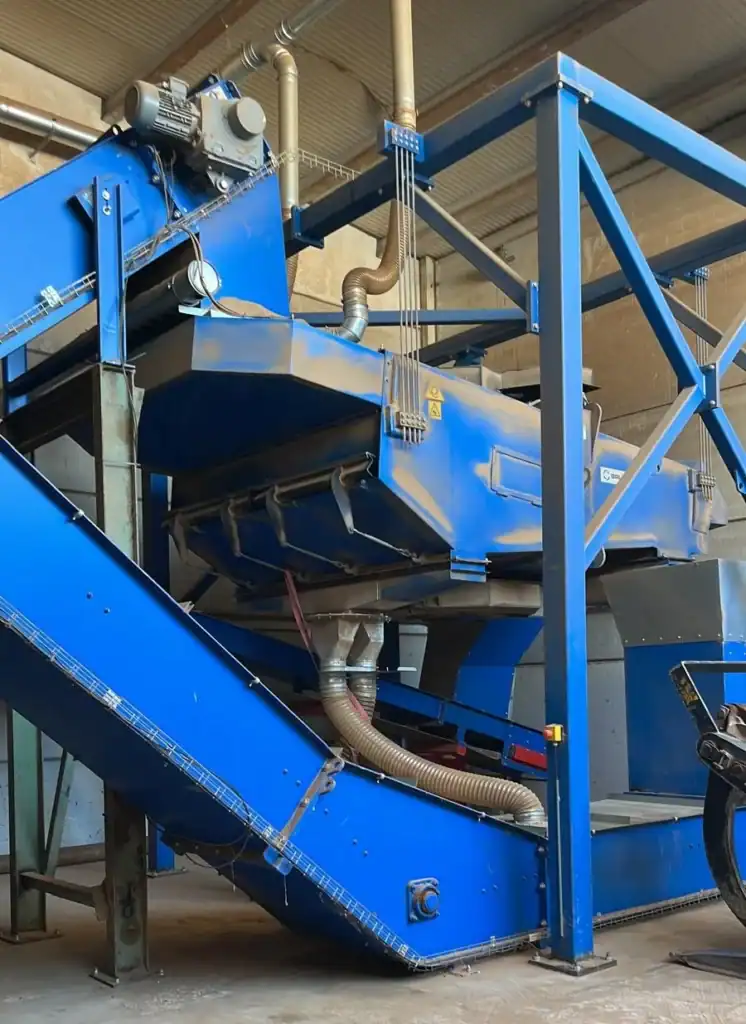
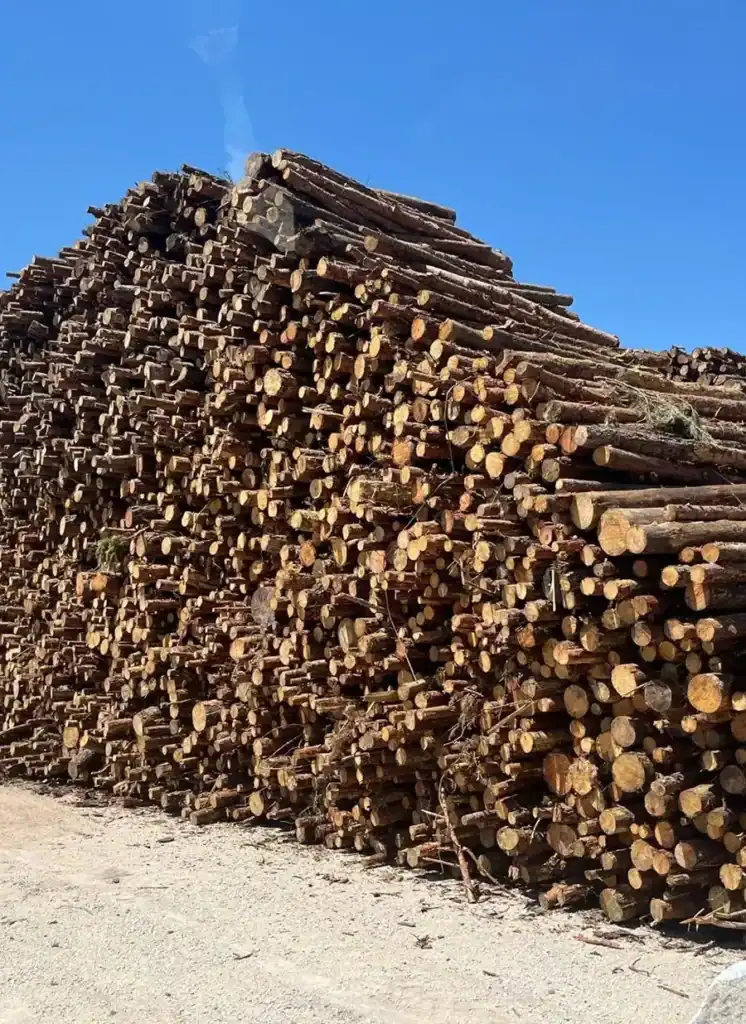
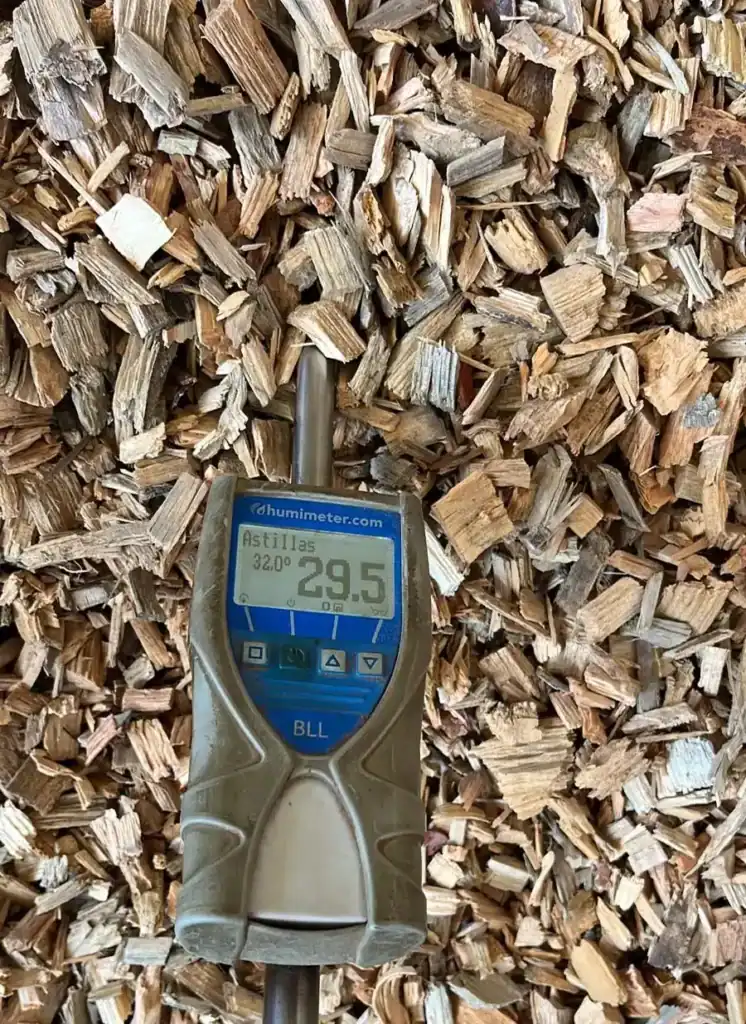
The viability of building a biomass logistics management plant for product markets serving sawmills, as well as biofuels, biochar and compost, is guaranteed with minimum volumes of woody residues.
Key points
The main requirements of the companies studied that carry out valorisation activities require ensuring the long-term availability of the waste resource in order to justify the investments to be made. To achieve this, the contractual conditions governing the management of the waste park must be modified.
Large plots of land (10,000–20,000 m2) are needed, without restrictions on these activities (permitting), well connected to motorways and priced at around €75/m2.
Ensuring the supply of woody biomass in the territory requires multiple alliances with private and public stakeholders to launch the biomass management system in forests and agricultural land. It is important to involve forest owners who already have forest management planning in place and to integrate the environmental diagnosis into the business strategy.