


Contents Table
- The limits of individual solutions
- When scale becomes collective
- Designing projects, not just exchanges
- Collaboration as the infrastructure of the circular economy
- The role of the facilitator
- Beyond waste
Every day, thousands of tonnes of materials with potential value leave our companies classified as “waste”.
In many cases, the technology to recover them already exists. There is also, at least in theory, an economic incentive: reducing management costs, replacing raw materials, or generating new value streams. And yet, a large share of these opportunities never materializes.
Why?
One of the less visible – yet most decisive – reasons is that many resource recovery solutions do not depend on a single company. They depend on several organizations coordinating with one another: sharing volumes, logistics, information, investments, and risks.
In other words, they depend on collaborative projects.
The limits of individual solutions
For years, many circular economy strategies have been approached from an individual business logic: each organization tries to optimize its own resource flows, reduce its waste, or find outlets for its by-products.
This approach makes sense, but it also has clear limits.
Many resource flows do not have enough volume on their own to justify a technological solution. In other cases, the cost of logistics or pretreatment exceeds the economic value of the recovered material. Sometimes the problem is not technical or economic, but organizational: connecting the supply and demand of resources across different sectors is not straightforward.
As a result, many potential resource recovery opportunities remain stuck in a kind of “grey area”: technically possible, environmentally desirable, but economically difficult to activate for an isolated company.
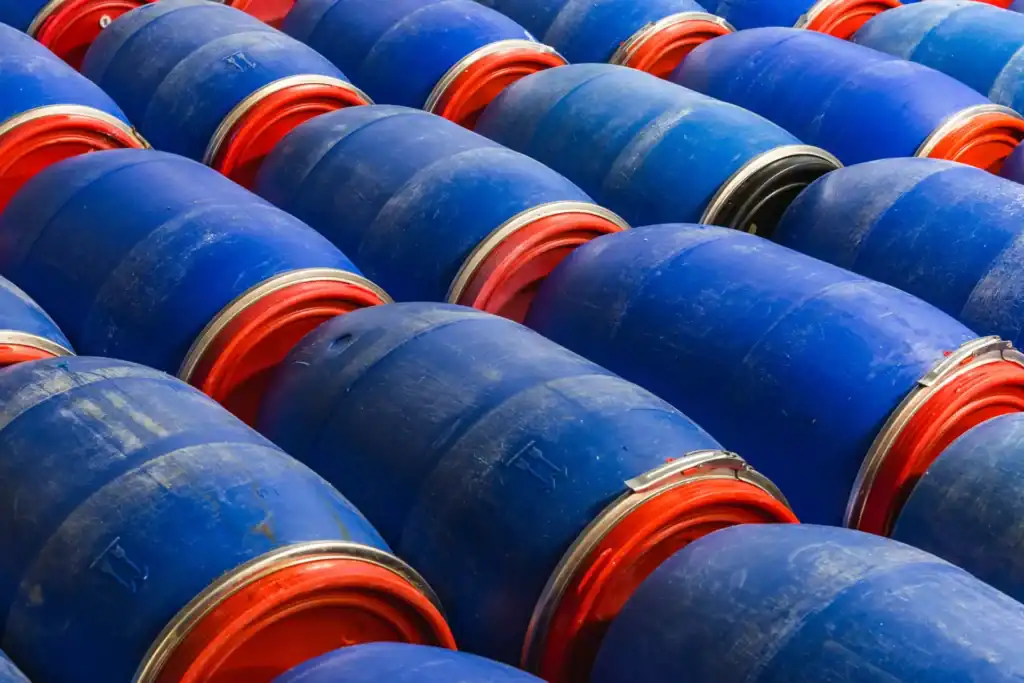
When scale becomes collective
In many cases, viability appears when the scale of analysis changes.
A by-product generated by a single company may be insufficient to feed a recovery process. But when the flows of several companies are aggregated, the volume can become a sufficient basis to justify an investment.
Something similar happens with logistics and treatment infrastructure. Sharing transport, facilities, or technologies makes it possible to spread costs that would otherwise be prohibitive.
Or to guarantee a commitment to supply waste from generating companies in support of a recovery investment.
This kind of configuration transforms what seemed to be inevitable waste into a new value chain based on secondary resources.
But for this to happen, something more than a good technological idea is needed: coordination among multiple actors.
Designing projects, not just exchanges
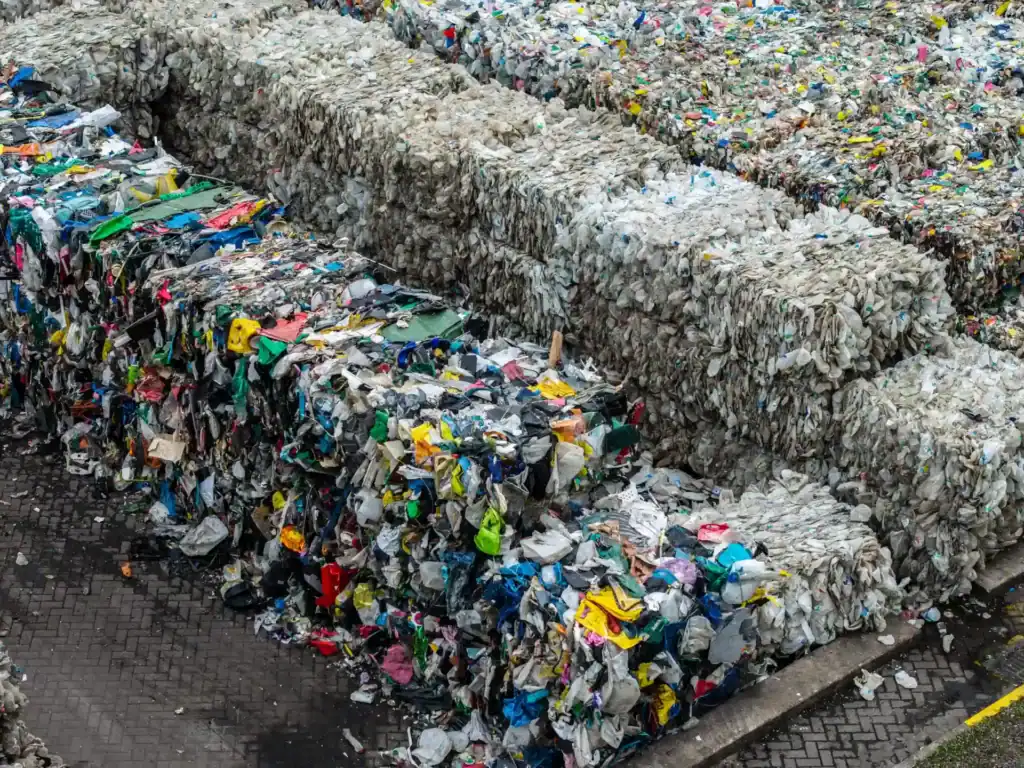
Industrial symbiosis is often discussed as if it were simply about finding a new use for waste. However, many of the most interesting solutions do not look like a one-off exchange, but rather structured projects between several organizations: collaboration in symbiosis.
These projects may involve:
- aggregating resource flows from different companies
- adapting industrial processes
- developing new logistics solutions
- shared infrastructure investments
- medium- or long-term supply agreements
In practice, this means that resource recovery is not only a technical or environmental issue. It is also an organizational design issue.
Incentives have to be aligned, decisions coordinated, and trust built among actors that often belong to different sectors; ultimately, this means building the business models that support them.
Collaboration as the infrastructure of the circular economy
If an increasing number of resource recovery experiences show anything, it is that the circular economy is not based solely on recycling or treatment technologies. A change in the way organizations collaborate is also necessary.
A form of collaboration that will make it possible to put resource recovery and valorization projects into practice and make them viable. It will remove the barriers – generally through cost reduction – that prevent opportunities from materializing.
These collaborations can take many forms and dimensions: territorial urban-industrial symbiosis networks, resource exchange platforms, sector-specific projects, or initiatives that connect companies with complementary profiles.
But, ultimately, if no one organizes the system needed to make that second life possible, these opportunities do not thrive. The role of the facilitator is essential to make things happen.
The role of the facilitator
When several companies need to coordinate to activate a resource recovery opportunity, complex questions inevitably arise: who convenes the right actors, who assesses the technical and economic viability, who manages the shared information, and who supports the process of building agreements.
Expecting one of the companies involved to spontaneously take on this role is not always realistic. Each organization has its own interests, priorities, and limitations.
That is why, in many cases, the presence of an actor who acts as a process catalyst: someone capable of identifying opportunities, connecting actors, structuring projects, and facilitating collaboration between organizations that would otherwise be unlikely to work together.
The facilitator does not replace the companies or make decisions for them. Their role is to reduce the organizational friction that prevents many promising ideas from becoming real projects.
In many urban-industrial symbiosis projects, this role is taken on by technical staff from local councils (business department, economic development), or by managers of industrial estate associations. In short, professionals who work for the collective benefit of companies.
Beyond waste
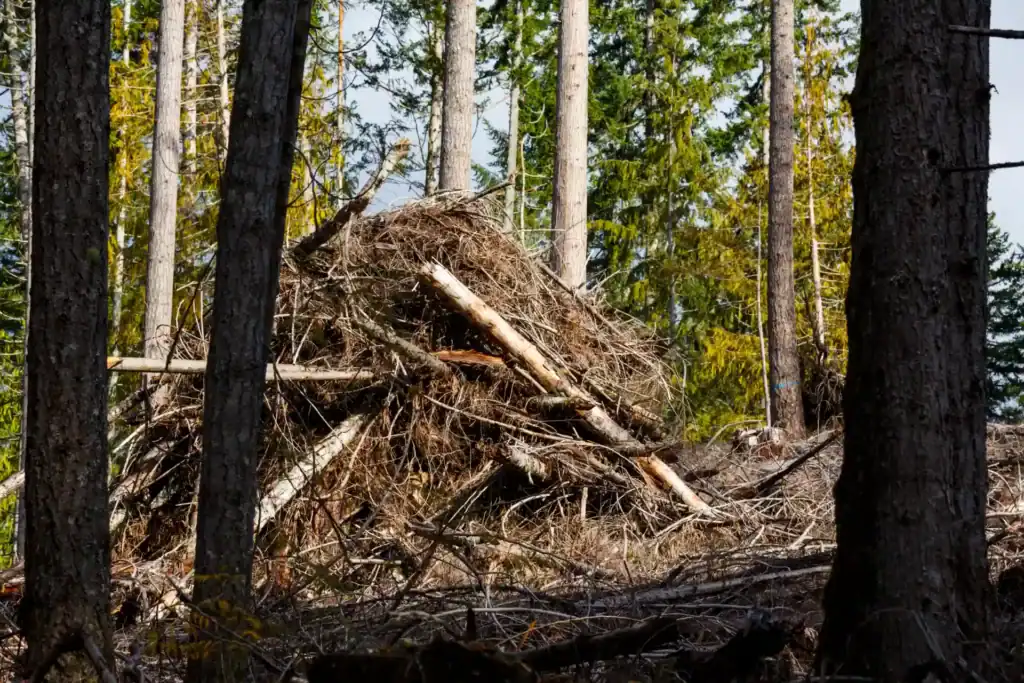
Thinking in terms of collaborative projects makes it possible to change the perspective on so-called “waste”.
Instead of seeing it solely as a management problem, it begins to be understood as starting points for new industrial configurations: connections between companies, between sectors, and between value chains that were not previously related.
This approach does not remove all technical or economic barriers. But it does open a different path: instead of asking what each company can do individually with its waste, it invites us to ask what might happen if several actors jointly designed a solution.
In many cases, the answer is that opportunities that once seemed marginal or unviable suddenly begin to make sense.