
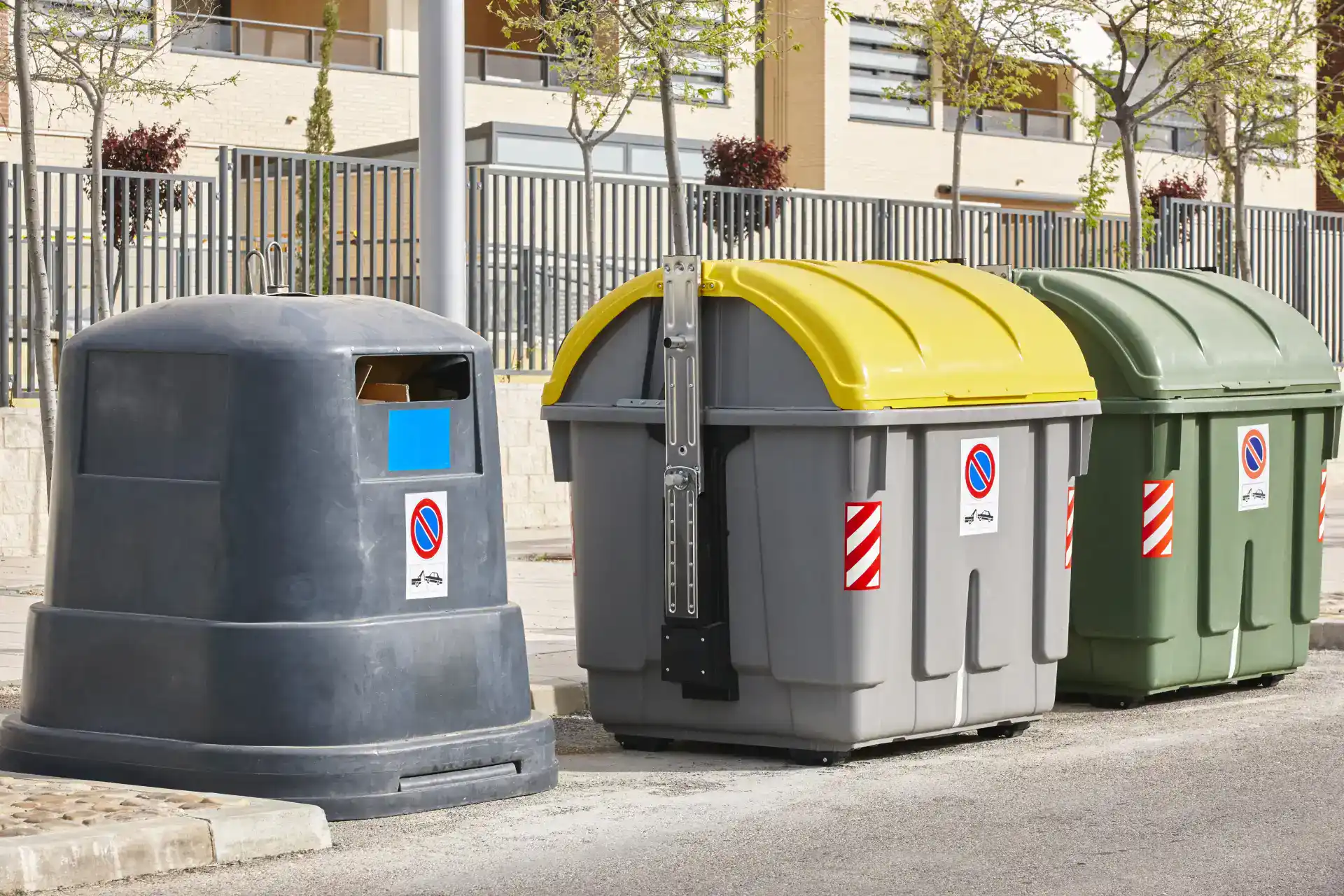
In waste management, continuing with business as usual has brought us as far as it can.
Municipal waste management has been stagnant for years and is still far from the European target of recycling 60% of municipal waste by 2030.
At the global level, the situation is no better. According to the Circularity Gap Report, the global economy is currently only 6.9% circular. In other words, more than 93% of the materials we use still follow a linear model of extraction, use and disposal. Most worryingly, the trend is not improving—it is getting worse.
For years, we have made progress primarily through efficiency. We have optimised processes, reduced consumption and made better use of resources. This effort has been enormous, and it has delivered results.
But it seems clear that this is no longer enough.
The time has come to move to the next level.
And to achieve this, it is not enough to keep improving what we have always done. We need to start doing things differently.
The key lies in two inseparable concepts: collaboration and systems thinking.
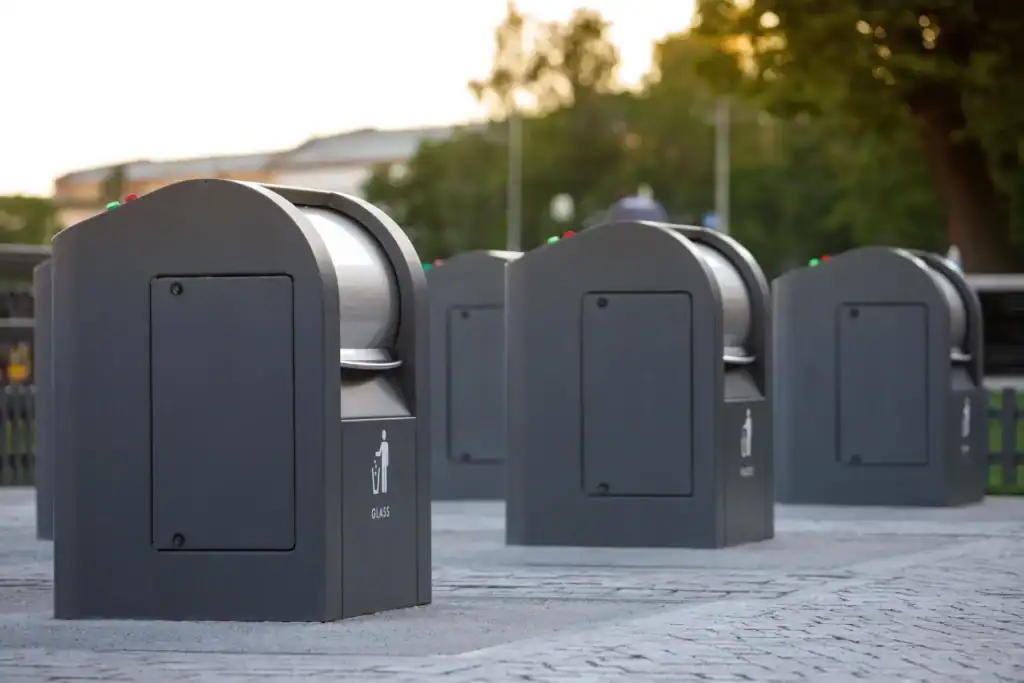
Until now, we have managed resources individually. Each company has worked with its own waste manager. Each organisation has optimised its own processes. Each public authority has planned water, energy, waste and mobility separately.
But resources do not operate in isolated compartments. They are all part of the same system.
We need to stop looking only at the end of our own pipe. We need to climb a ladder and look around. We need to discover who is at the end of the other pipes and understand which resources some have in excess and which resources others need. That is where opportunities emerge—opportunities that simply do not exist when viewed in isolation.
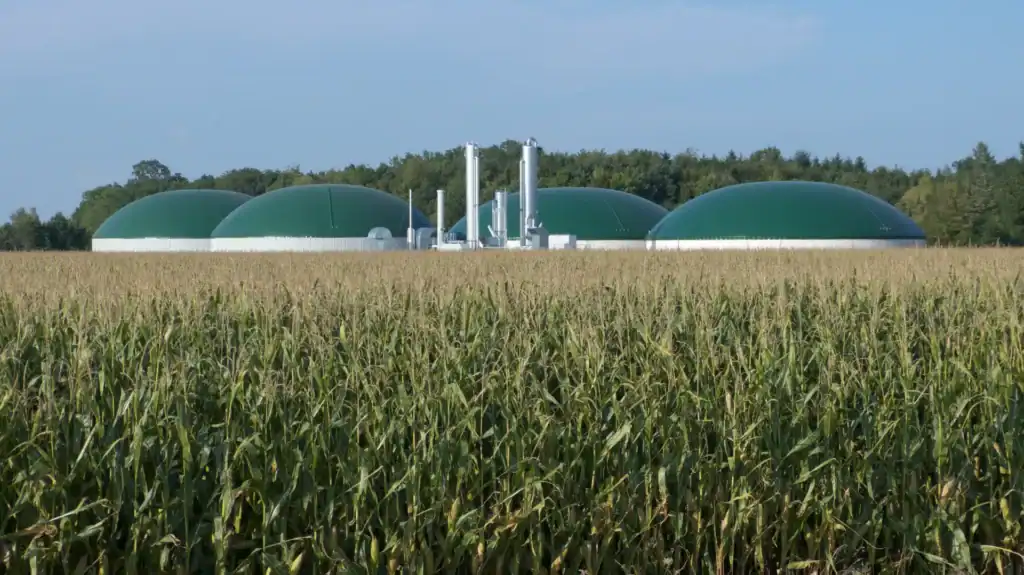
Imagine a municipality where citizens’ organic waste is treated together with livestock manure from the surrounding area to produce biogas. This biogas could power the urban bus fleet, reducing CO₂ emissions and dependence on fossil fuels while also generating financial savings for the municipality. Collaborations…
The technology required to do this already exists. What is often missing is the connection between the right stakeholders.
Collaboration through symbiosis makes it possible to transform a cost into a business opportunity. It turns waste into a resource and makes circular economy solutions economically viable when they would never work in isolation.
That is why we believe the real leap forward will come not only from new technologies, but from a new way of working together.
We need to stop managing resources and start managing ecosystems.
An industrial ecosystem approach in which businesses, public authorities, waste managers, operators and society work together to identify synergies across sectors and close material, energy and water loops. An industrial-urban symbiosis developed in close collaboration with public authorities and society. An agro-urban-industrial symbiosis.
Because the circular economy is not only about recycling more. It must also be about collaborating more effectively.
And perhaps that is the only way to finally move to the next level.