
Table of Contents
- The strategic potential of rural organic resources
- Opportunities for agro-industrial symbiosis
- Enabling conditions to promote agro-industrial symbiosis
- A lever for rural development
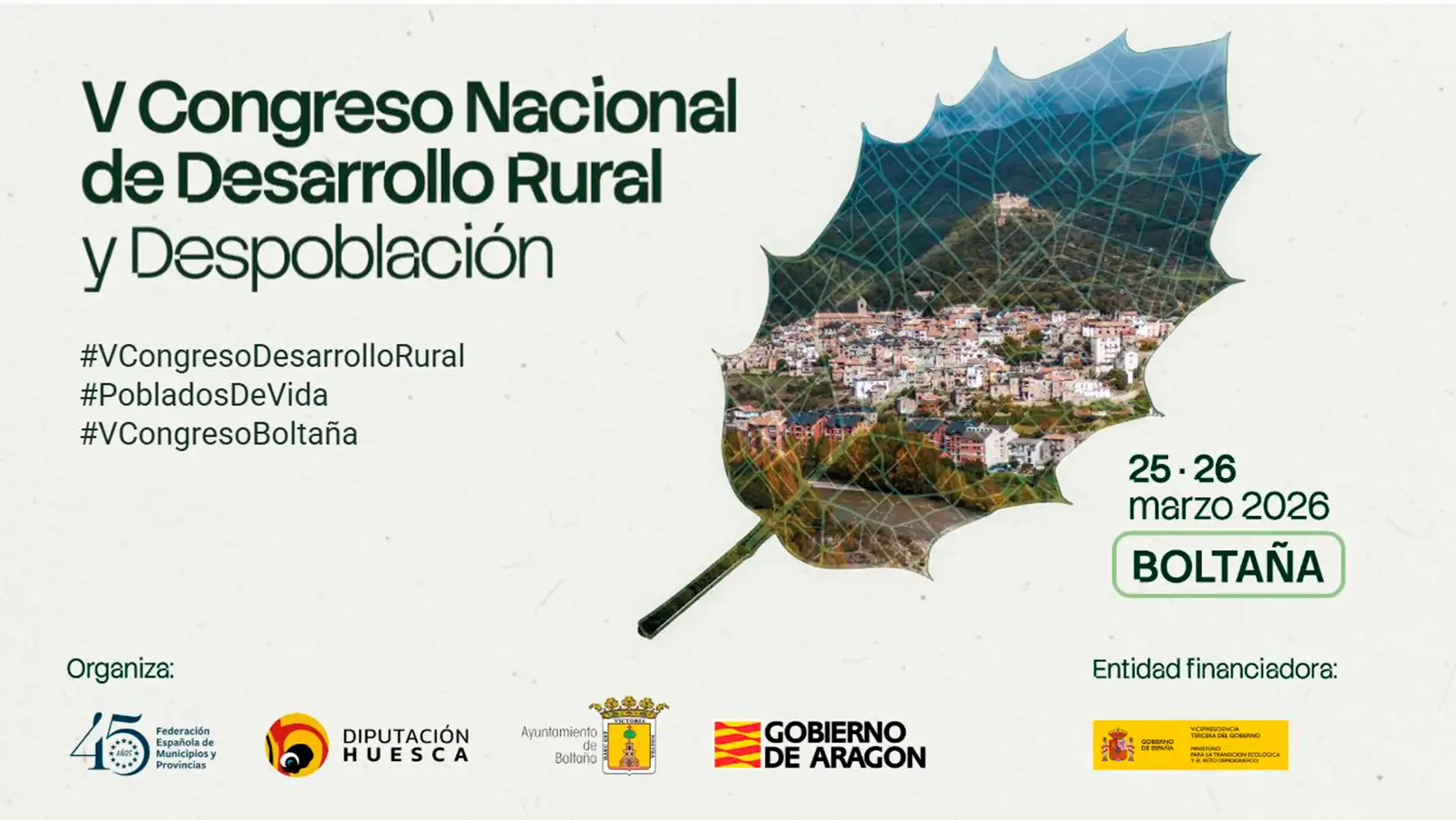
A few days ago, I had the opportunity to participate in the 5th National Congress on Rural Development and Depopulation of the Spanish Federation of Municipalities. During the various sessions and conversations, one idea came up repeatedly that I believe is key: rural territories not only face demographic and economic challenges, but also have a resource base that, if properly articulated, can become a real lever for development.
From the perspective of industrial symbiosis, these territories present especially favorable conditions for promoting agro-industrial symbiosis models based on the valorization of local organic flows, cooperation among stakeholders, and the creation of new circular value chains.
The strategic potential of rural organic resources
Rural territories concentrate a wide variety of organic flows, many of which are currently underused or managed as waste: livestock manure, sewage sludge, the organic fraction of municipal waste, by-products from the agri-food industry, or agricultural residues. These materials often represent a management cost for farms, industries, and local administrations.
However, from an industrial symbiosis approach, these flows should be understood as secondary resources with the potential to be integrated into new production chains. The key lies in identifying territorial complementarities and facilitating connections among stakeholders to transform this waste into productive inputs.
Opportunities for agro-industrial symbiosis
These connections are what generate business opportunities from surplus resources (waste, water, energy) that become economically viable thanks to collaboration through symbiosis. Among them, the following stand out:
1. Decentralized renewable energy production
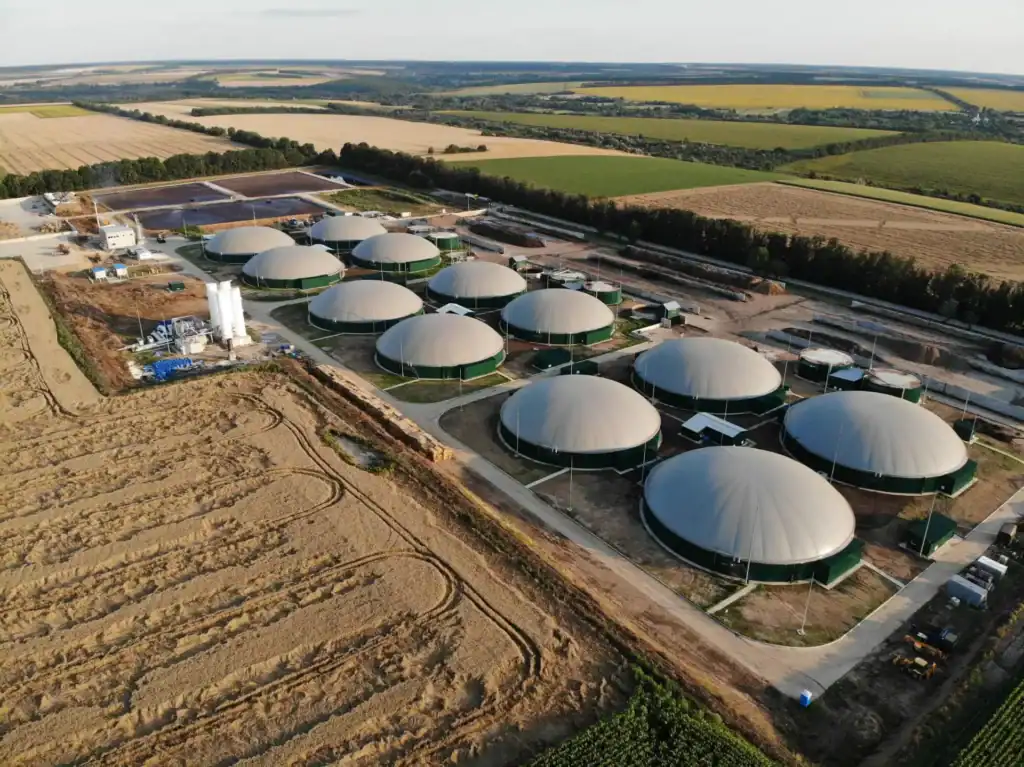
The valorization of organic waste through pyrolysis or anaerobic digestion makes it possible to produce biochar, biogas, and biomethane. These solutions can supply farms, agri-food industries, or even local energy communities. In addition to reducing energy dependence, they can generate additional income and improve the resilience of the territory.
2. Production of biofertilizers and soil improvement
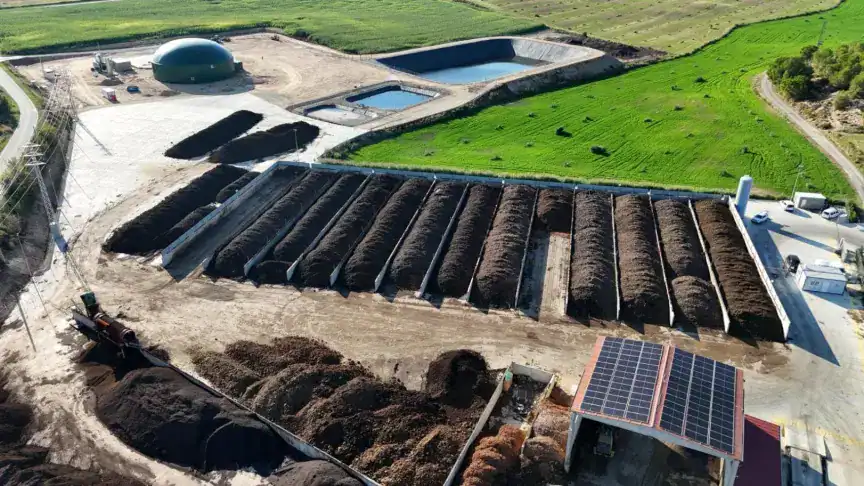
Digestates, biochar, and compost derived from organic waste can partially replace mineral fertilizers, contributing to improved soil organic matter and the closing of nutrient cycles at the local level.
This approach reduces costs for farmers and lowers the carbon footprint associated with external inputs.
3. New rural business models based on circular economy
Agro-industrial symbiosis opens the door to new services and economic activities: by-product logistics, shared treatment plants, innovation in biotechnology, production of biofertilizers, or integrated resource management services. These initiatives create skilled employment and strengthen local rootedness.
4. Bio-industrial parks
An economic development model based in the place where resources are generated and close to the consumer market, through biotechnology processes and the management of organic waste and by-products, which attracts investment and talent and stimulates rural innovation.
5. Decarbonization and territorial resilience
The local use of organic resources reduces emissions associated with transport, replaces fossil fuels, and improves energy self-sufficiency. It also strengthens the resilience of rural territories in the face of volatile energy and fertilizer prices.
Enabling conditions to promote agro-industrial symbiosis
One of the main barriers when implementing symbiosis strategies to make efficient use of resources is not knowing where to start. Rural territories are rich in organic resources, often poorly managed and therefore full of business opportunities. However, as was highlighted during the Congress, these same territories often lack the technical resources and capabilities needed to identify and activate them.
It is necessary to provide municipalities and territorial management entities with the tools and resources needed to get started, while also strengthening the capacities of their teams to understand and take advantage of these opportunities.
The first step is to know what is available and what can be done with it. This approach aligns with the usual methodology of industrial symbiosis projects:
- Phase 1. Understand and map the available resources.
- Phase 2. Analyze impacts and opportunities.
- Phase 3. Implement the identified synergies.
Applying this methodology to rural development makes perfect sense, as it allows the process to be structured, actions to be prioritized, and risks to be reduced when launching collaborative initiatives.
A lever for rural development
Agro-industrial symbiosis should not be understood solely as an environmental tool, but as a territorial economic development strategy. It makes it possible to transform waste management problems into productive opportunities, create quality jobs, and improve the competitiveness of rural municipalities.
One of the conclusions I take away from the congress is that the challenge is not so much the availability of resources, but the ability to articulate them through collaborative models. From industrial symbiosis, we have the opportunity to connect stakeholders, close loops, and activate local solutions that contribute to the ecological transition and the revitalization of rural areas.
And as Manuel Campo Vidal said, “Neither empty nor emptied: Living Rural Spain”