Industrial Symbiosis and Secondary Raw Materials
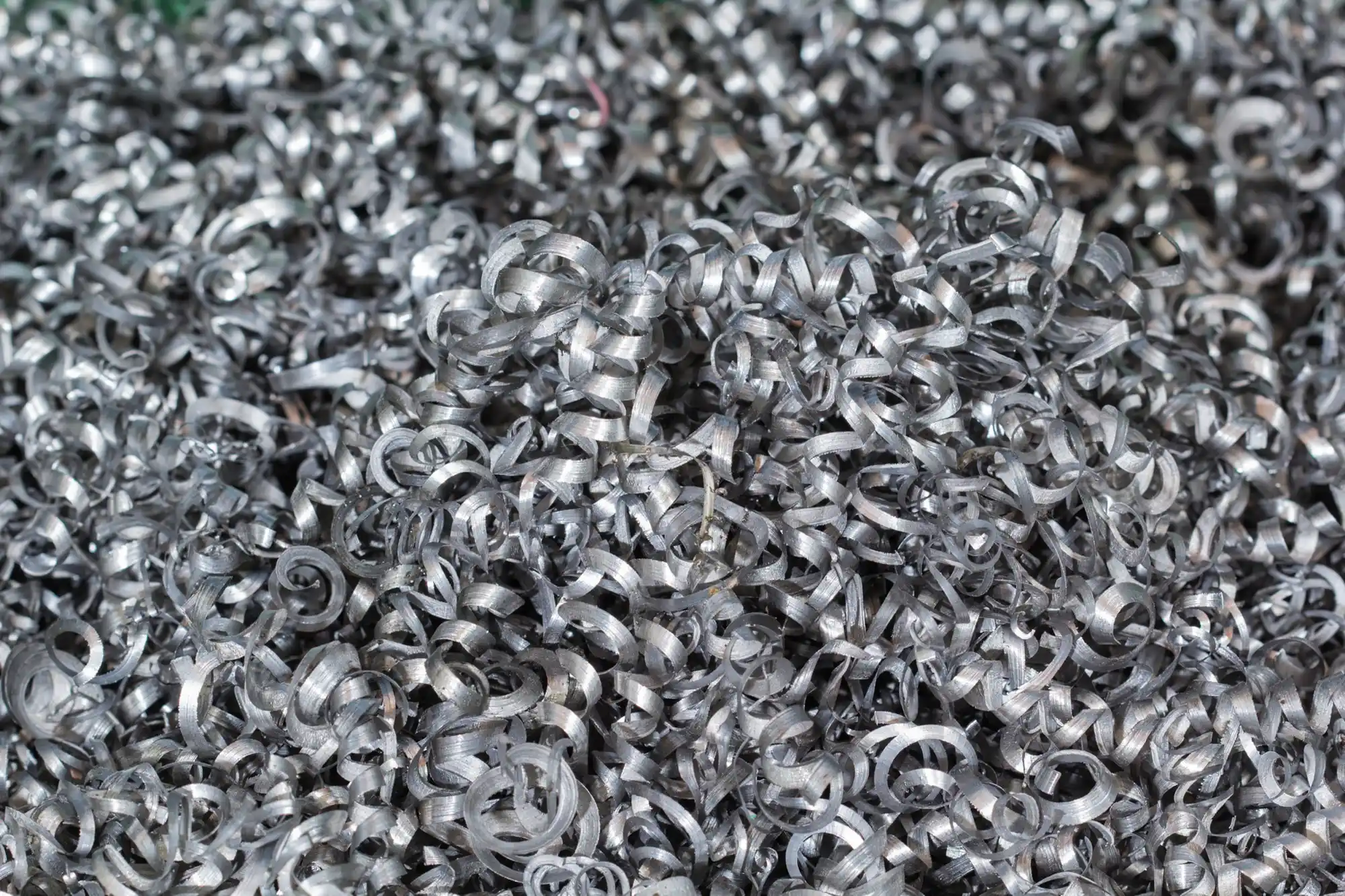
Industrial symbiosis connects companies to recover value from waste and develop markets for secondary raw materials within the circular economy.

Industrial symbiosis connects companies to recover value from waste and develop markets for secondary raw materials within the circular economy.
Discover 6 lessons from the BioBoost project to drive viable, collaborative circular bioeconomy initiatives with a positive impact on the local area.
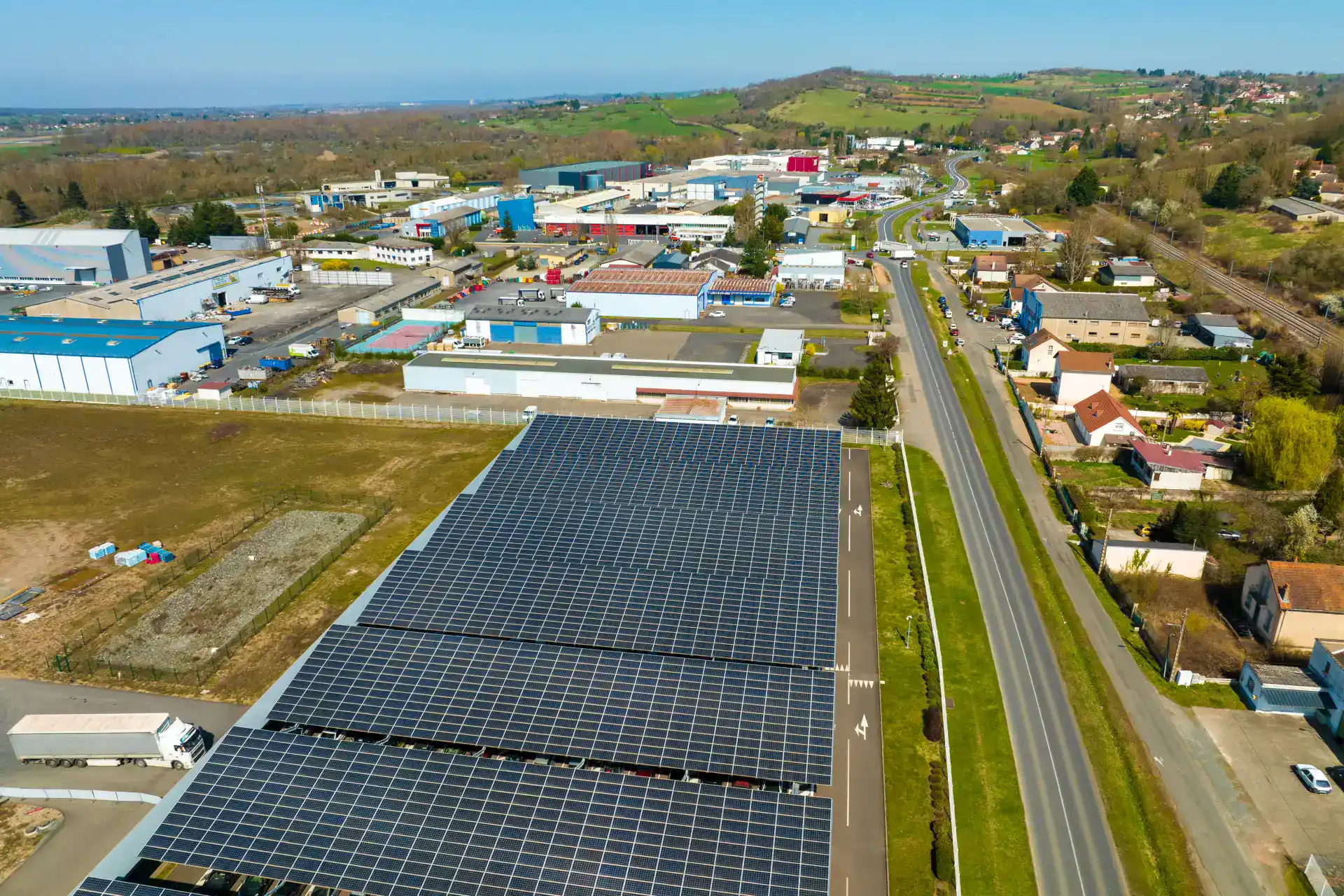
Discover how industrial estates can become energy symbiosis nodes through closed networks, self-consumption and shared energy management.
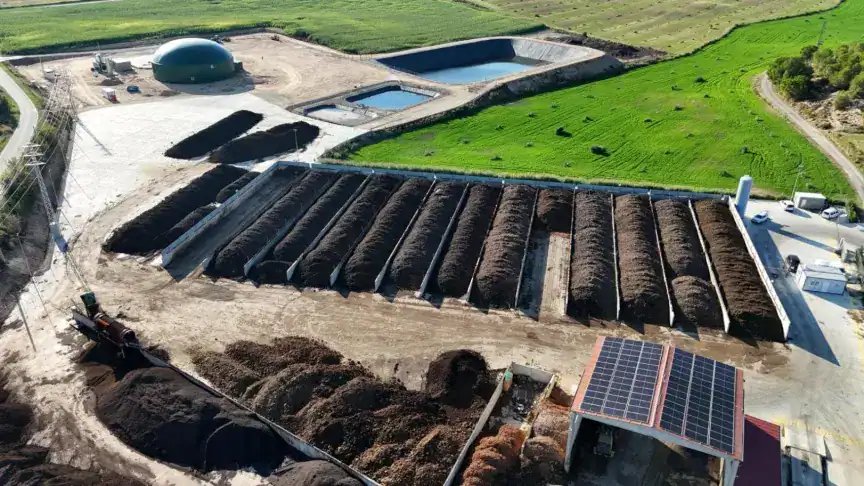
Discover what bioparks are, how they apply agro-industrial symbiosis, and the opportunities they offer for businesses, resources, and territories.

Discover Barcelona’s waste challenges and how the circular economy, industrial symbiosis and circular industrial estates can drive zero waste.
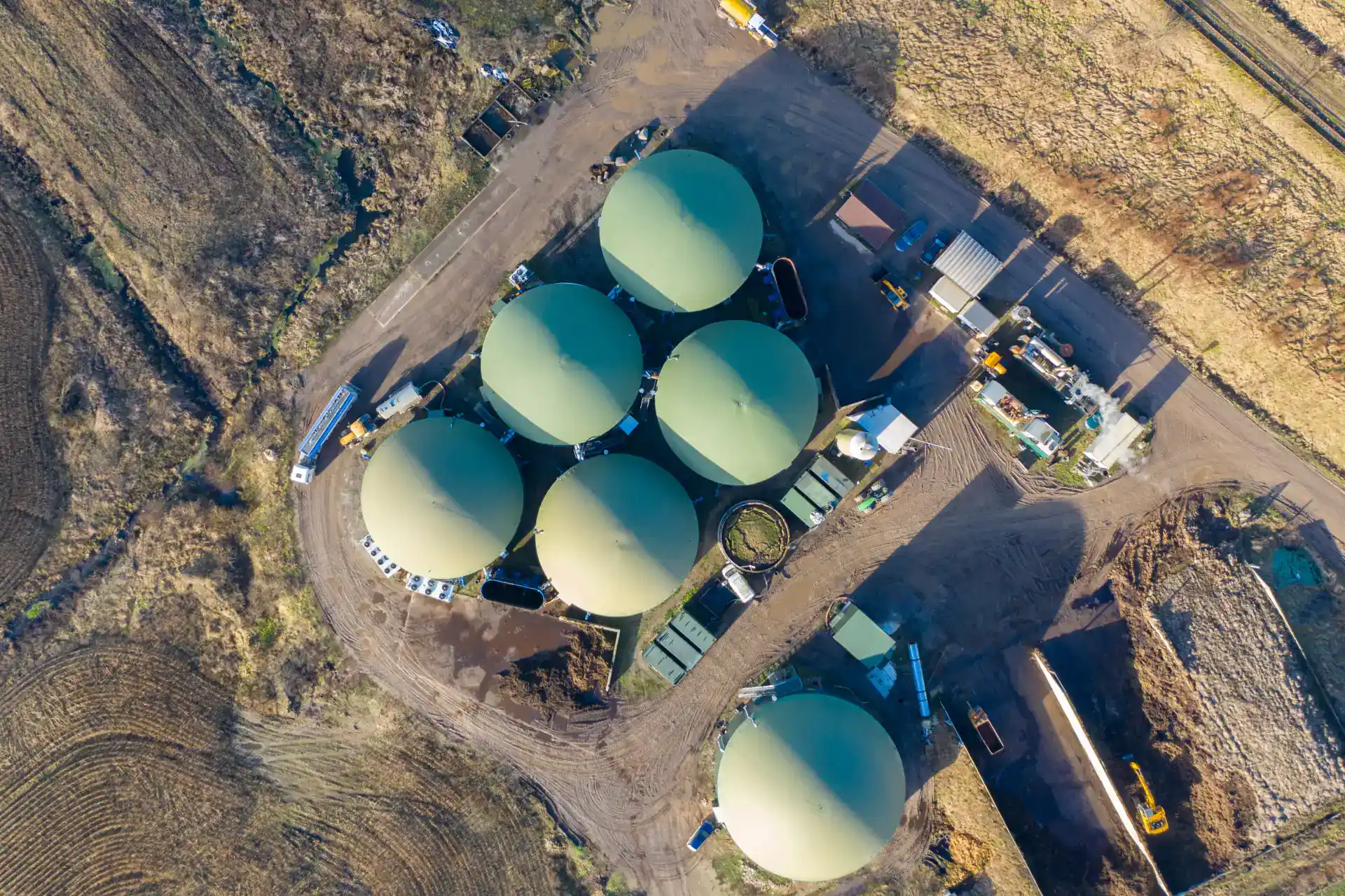
Three-phase methodology for implementing agro-urban-industrial symbiosis projects and activating synergies across the territory.
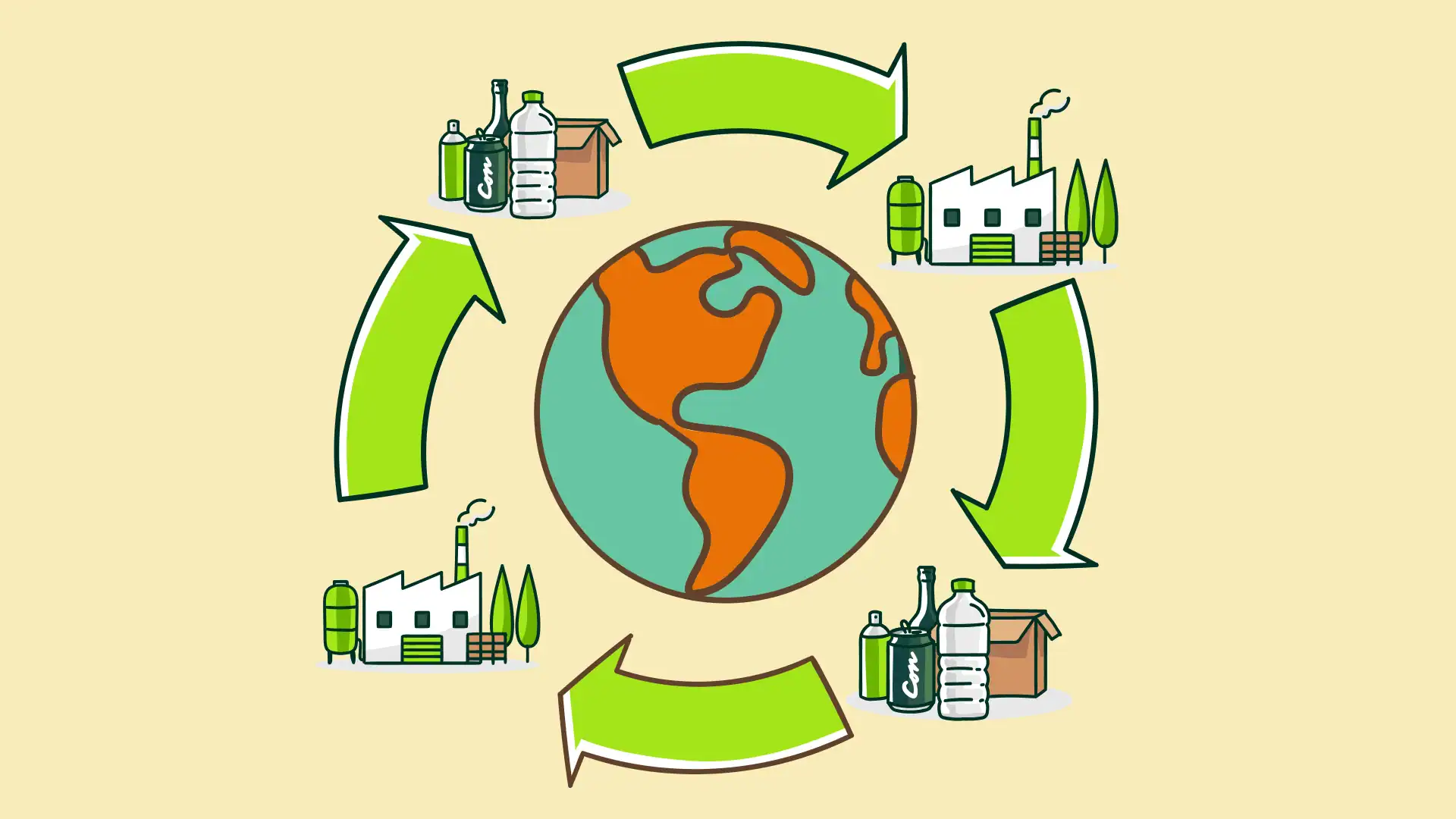
Discover how to select circular materials based on technical criteria, recyclability, durability and market viability.

Many waste valorisation projects only work when several companies collaborate. That is how industrial symbiosis works.

The transition to a circular economy requires rethinking the way we produce, consume, and manage resources. In this context, industrial symbiosis has become one of the most effective strategies for transforming waste, surpluses, and by-products into new value opportunities. Far from being a theoretical concept, industrial symbiosis is an applied practice that allows companies and … Read more

Today, Manresa in Symbiosis is more than a project; it is a national benchmark and a replicable model in other regions. At Símbiosy, we are proud to have been a fundamental part of this transformation. Our commitment to sustainability drives us to continue innovating and helping territories transform environmental challenges into opportunities for growth and collaboration. This project has established solid, replicable foundations that will serve as a reference for the development of future industrial symbiosis and circular economy projects.